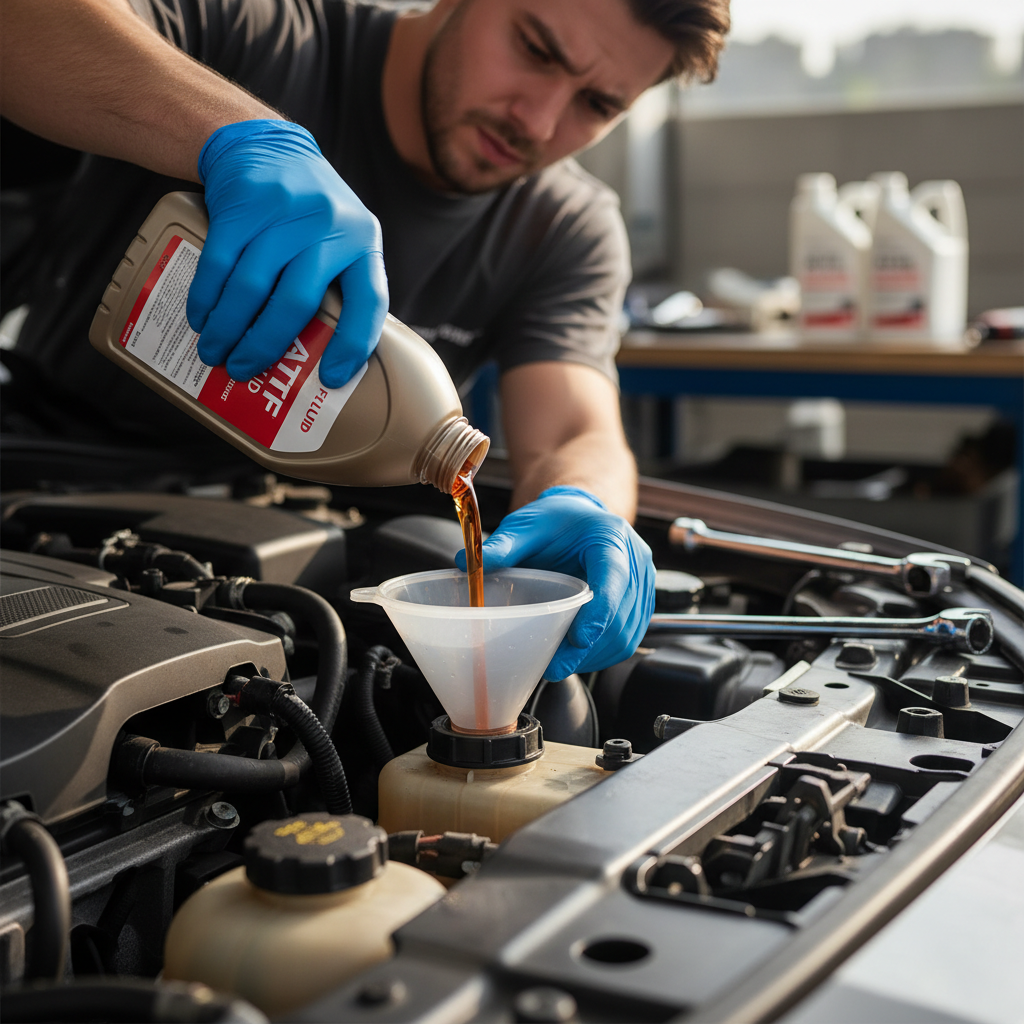
The recommended diesel transmission fluid change interval for most heavy duty trucks is every 30,000 to 60,000 miles under normal driving conditions. If your vehicle is frequently used for heavy towing or hauling, you should consider changing the fluid every 15,000 to 30,000 miles to prevent overheating. Regular maintenance ensures internal components remain lubricated and helps avoid costly transmission failures.
You feel that slight hesitation when your heavy duty truck hunts for a gear under load, or perhaps you notice a faint burnt odor after a long day of towing. These are the early warnings of a failing transmission; for diesel owners, a complete rebuild can cost thousands of dollars. At Outlaw Diesel Performance, we know that your transmission is the critical lifeline between your high torque engine and the pavement. Ignoring your fluid maintenance is the fastest way to cook your internal clutches and end up stranded on a humid Louisiana highway. This guide breaks down exactly when you need to service your Powerstroke, Cummins, or Duramax based on real world driving conditions. We will explore the differences between severe duty cycles, how to inspect your fluid for damage, and whether a full flush or a simple drain and fill is the right move for your rig.
Understanding the Diesel Transmission Fluid Change Interval for Modern Trucks

Diesel transmissions operate in an entirely different environment than their gasoline counterparts. While a gas engine relies on high RPMs to generate power, a diesel engine produces massive torque at low speeds. This force is transferred directly through the transmission, putting immense pressure on internal clutches, planetary gears, and the torque converter. Because these heavy duty units are engineered to move significant weight, they generate much more internal heat than light duty vehicles. Heat is the primary enemy of transmission health; once the fluid reaches its thermal limit, it begins to oxidize and lose the ability to protect critical components.
When you consult your owner's manual, the suggested diesel transmission fluid change interval might be as high as 100,000 miles. At Outlaw Diesel Performance, we find those figures are often overly optimistic for trucks used for real work. In Pearl River, our trucks face high humidity and heavy towing demands that accelerate fluid breakdown. As specialists in diesel maintenance and repair, we know that following a generic schedule can lead to premature wear. Performing regular transmission fluid changes is the most effective way to avoid the expense of full transmission installs and keep your drivetrain reliable.
The Difference Between Normal and Severe Duty Maintenance Schedules
Most truck owners see the 100,000 mile recommendation in their owner's manual and assume they have years of headroom. However, those manuals define "normal duty" as driving on flat highways at moderate temperatures with no significant cargo. In Louisiana, especially around Pearl River and St. Tammany Parish, finding a diesel truck that fits the "normal duty" description is nearly impossible.
Severe duty is the standard for almost every truck we service. This category includes frequent towing of boats or horse trailers, hauling heavy equipment to job sites, and navigating stop and go traffic in the stifling Gulf Coast heat. High humidity levels further complicate matters by introducing moisture into the system through the transmission vent, which can degrade the additives in your fluid faster than in drier climates. Even prolonged idling, which is common during work days in the South, contributes to fluid breakdown because the cooling system isn't receiving the same airflow it gets at highway speeds.
Usage Type | Service Environment | Recommended Interval |
|---|---|---|
Normal Duty | Highway miles, no towing, mild climates | 100,000 Miles |
Severe Duty | Towing, hauling, idling, high heat/humidity | 30,000 - 45,000 Miles |
For trucks that work for a living, sticking to a 30,000 to 45,000 mile diesel transmission fluid change interval is a necessity, not a suggestion. Waiting until the 100,000 mile mark often allows the fluid to oxidize, leading to the formation of varnish on sensitive internal components. This varnish restricts flow in the valve body and causes clutches to glaze, which eventually leads to slipping and gear hunting. Proper diesel maintenance and repair focuses on prevention; regular transmission fluid changes protect the longevity of your drivetrain against the harsh conditions we face every day in the Pearl River area.
Specific Intervals for Powerstroke, Cummins, and Duramax Transmissions
Every diesel manufacturer sources or builds transmissions with unique internal architectures, meaning their maintenance needs are not identical. In our Pearl River shop, we see firsthand how different gearboxes react to the local heat and heavy towing demands. Understanding the specific requirements of your truck’s transmission is the first step in a proactive diesel maintenance and repair plan.
GM trucks equipped with the Duramax engine rely on the Allison 1000 or the newer 10L1000. These units are legendary for their durability, but they feature a specific maintenance item often overlooked by general repair shops: the external spin on filter. This small red or black filter sits on the outside of the transmission housing and is designed to catch fine metallic debris before it can reach the cooler. Because this filter handles the initial wear materials, we recommend replacing it every 7,500 to 10,000 miles. For the actual transmission fluid changes, a 30,000 mile interval ensures the internal clutches remain properly lubricated and cooled.
Ram trucks utilize two primary transmissions: the 68RFE and the Aisin AS69RC. The 68RFE is notoriously sensitive to fluid quality and operating temperature. When the fluid breaks down in a 68RFE, the valve body solenoids can stick and the internal seals can soften, leading to pressure losses that necessitate full transmission installs. We strongly advise a strict 25,000 to 30,000 mile service interval for these units. The Aisin, found in High Output models, is a commercial grade unit that is more resilient but still requires fresh fluid every 30,000 to 45,000 miles to protect its heavy duty gear sets.
Ford Powerstroke owners typically have the TorqShift 6-speed or 10-speed transmissions. While the TorqShift is a robust platform, the 6.7L engine generates massive heat that can cook the Mercon LV or ULV fluids used in these systems. Even though Ford manuals might suggest a much longer timeframe, we have found that 40,000 to 45,000 miles is the limit for maintaining the fluid’s viscosity and detergent properties.
Transmission Model | Primary Application | Recommended Interval |
|---|---|---|
Allison 1000 / 10L1000 | Chevy/GMC Duramax | 30,000 Miles (Filter every 10k) |
68RFE | Ram Cummins | 25,000 - 30,000 Miles |
Aisin AS68RC / AS69RC | Ram Cummins HO | 30,000 - 45,000 Miles |
TorqShift 6R140 / 10R140 | Ford Powerstroke | 40,000 - 45,000 Miles |
Visual and Olfactory Signs Your Diesel Transmission Fluid is Burnt
To assess the health of your gearbox between scheduled diesel maintenance and repair visits, you need to get hands-on with the dipstick. While some newer trucks have sealed units that require a plug removal from underneath, many heavy duty Rams, GMs, and Fords still allow for a quick manual inspection from the engine bay. With the engine at operating temperature and idling in park, pull the transmission dipstick, wipe it clean with a lint-free white rag, reinsert it, and pull it again to get a fresh sample.
Fluid Condition | Visual Appearance | Odor Profile | Action Required |
|---|---|---|---|
Healthy | Bright red, translucent | Sweet, oily, or neutral | Monitor per schedule |
Degraded | Dark brown or maroon | Faint burnt smell | Schedule fluid change |
Burnt | Black or opaque | Strong scorched odor | Immediate service needed |
Contaminated | Pink, milky, or frothy | Chemical or vinegar-like | Emergency Stop |
Healthy automatic transmission fluid is dyed a distinct bright red and should be clear enough to see the metal of the dipstick through the oil drop. If the fluid looks like dark coffee or has visible black flecks, the friction material from your clutches is likely suspended in the oil. Perform a smell test by bringing the sample close to your nose. If it smells like burnt toast or has a pungent, acrid scent, the fluid has reached its thermal limit. This indicates the additives have failed and the [diesel transmission fluid change interval] has been exceeded.
One critical warning sign is the strawberry milkshake appearance. If the fluid looks pink, thick, and opaque, your internal transmission cooler has likely failed, allowing engine coolant to mix with the fluid. This creates a corrosive slurry that destroys clutch packs and seals almost instantly. If you see this, do not continue driving the truck, as it turns a routine service into a need for full transmission installs. Catching these signs early through regular transmission fluid changes is the only way to avoid catastrophic failure on the road in Pearl River.
Transmission Flush vs Drain and Fill: Which is Better for Diesel Trucks?
Deciding how to replace degraded fluid is just as important as the diesel transmission fluid change interval itself. The industry often debates the merits of a machine flush versus a manual pan drop. A machine flush uses external pressure to force new fluid through the entire system, including the cooler lines and torque converter. While this technically replaces more fluid, the high pressure can dislodge accumulated debris or clutch material, pushing these contaminants into the sensitive solenoids and valve body passages where they cause immediate shifting issues.
At Outlaw Diesel Performance, we generally advocate for a pan drop and filter change, particularly for high mileage trucks or those that have worked hard in the Louisiana heat. This method allows us to physically inspect the pan magnet for signs of excessive wear and ensures the internal filters are replaced. Many quick-lube shops perform a basic suction exchange that leaves the old, clogged filter inside the transmission. For a heavy duty Allison or TorqShift, a restricted filter starves the pump and leads to pressure drops that can eventually require full transmission installs.
Choosing a manual service as part of your diesel maintenance and repair routine is the safest way to maintain hydraulic integrity. By performing regular transmission fluid changes that include new filters and a clean pan, you provide the system with fresh additives without the risk of flushing debris into areas where it doesn't belong.
The Role of Heat and How Louisiana Humidity Impacts Transmission Life
Living in Pearl River means your truck operates in a literal sauna for half the year. High humidity significantly reduces the efficiency of your transmission cooler by limiting the air's capacity to absorb heat. When ambient temperatures soar, the temperature differential between the transmission fluid and the outside air shrinks, making it harder for the cooling system to shed heat. A critical rule of thumb in the industry is that for every 20-degree rise in operating temperature above the 175-degree baseline, the life of your fluid and internal components can be cut in half. A truck consistently running at 215 degrees is essentially aging its transmission four times faster than one running at a healthy 175 degrees.
This thermal stress is a primary reason why we adjust the diesel transmission fluid change interval for our local customers. For those frequently hauling heavy loads across the Northshore or through the Twin Spans, we often suggest hardware upgrades to combat this environment. Installing a deep, finned aluminum pan increases fluid capacity and improves heat dissipation. Combining this with a larger aftermarket cooler provides the extra thermal headroom needed to prevent oxidation. Proactive diesel maintenance and repair in the Gulf Coast region requires moving beyond factory specs to account for our specific climate. Keeping temperatures down reduces the risk of overheating that leads to premature transmission installs and ensures your transmission fluid changes actually last their full duration.